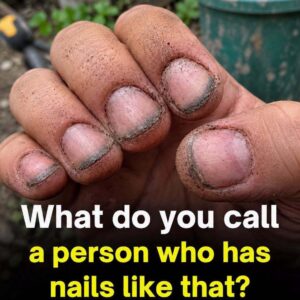
Dirty fingernails are often judged more harshly than they deserve. A person working in a garden may spend hours handling soil, while a mechanic might finish the day with dark grease around the fingertips. Farmers, construction workers, and people performing physically demanding jobs can experience similar staining. Even after washing, small amounts of residue may remain in difficult-to-clean areas. That doesn’t automatically mean someone has poor hygiene or neglects their health. Sometimes, those hands simply reflect a long day of honest work. Before making assumptions about another person’s appearance, it’s worth remembering that their hands may have been busy doing something essential.
However, proper nail care is still important. Dirt and debris can collect beneath fingernails, potentially carrying microorganisms that may spread through contact with food, surfaces, or other people. Washing hands thoroughly with soap and water, keeping nails reasonably short, and gently cleaning underneath them can help reduce this risk. People who regularly work with soil, chemicals, or grease may benefit from wearing appropriate protective gloves. It’s also important to avoid aggressively scraping beneath the nails with sharp objects, as this can damage the surrounding skin or nail bed. Good hygiene doesn’t require perfectly polished nails, but it does involve regular cleaning and sensible protection.
There is also an important difference between temporary staining and persistent nail changes. Ordinary dirt should generally improve with washing, although some stains may take longer to disappear. Changes such as unusual thickening, crumbling, persistent yellow or green discoloration, or a nail separating from its bed may indicate a condition that deserves medical evaluation. These symptoms can result from several causes, including infections, injuries, or inflammatory skin conditions. A new dark streak beneath a nail, particularly one that changes or does not grow out normally, should also be examined by a healthcare professional. While many nail changes are harmless, some require timely assessment, and appearance alone cannot establish a diagnosis.
The most meaningful lesson is that fingernails can tell different stories, and not all of them are medical. They may reflect a person’s occupation, hobbies, daily activities, or temporary exposure to staining materials. They can also occasionally provide clues that something needs attention. Rather than assuming that every dirty nail indicates poor hygiene or that every discoloration signals illness, it is better to consider the circumstances and observe whether changes persist. Maintaining clean hands, protecting nails during demanding work, and seeking professional advice for unexplained changes are sensible habits at any age. Above all, remember that a person’s dignity and character cannot be measured by the appearance of their fingernails.
❤️ Do you believe hardworking hands deserve respect, even when they’re covered in dirt and grease?