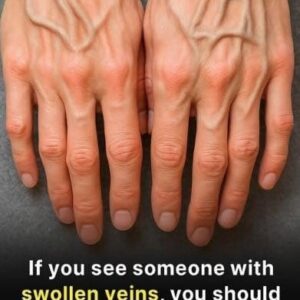
Poor circulation in the legs and feet often begins subtly—cold toes, tingling, calf cramps, or swelling after long days. While sometimes linked to lifestyle factors like prolonged sitting or standing, smoking, or inactivity, poor circulation can also signal medical conditions such as peripheral artery disease, diabetes, or chronic venous insufficiency. Early recognition is vital to prevent complications.
Among nutrients that support circulation, Vitamin B3 (niacin) is particularly powerful. Niacin promotes vasodilation, widening blood vessels to improve blood flow. This effect, sometimes felt as a warm “flush,” also helps regulate cholesterol by lowering LDL and raising HDL, reducing arterial plaque. Additionally, niacin supports endothelial cells, which line blood vessels and regulate dilation, clotting, and inflammation—critical for healthy circulation.
Other vitamins complement niacin’s effects. Vitamin E keeps blood vessels flexible and prevents clotting. Vitamin C strengthens vessel walls and supports collagen production, maintaining elasticity while reducing inflammation. Vitamin D helps regulate blood pressure and prevents arterial stiffness, and Vitamin B12 ensures healthy red blood cell production, aiding oxygen delivery to tissues.
Natural dietary sources make it easier to obtain these vitamins. Niacin is found in chicken, turkey, fish, legumes, and brown rice. Vitamin E is in nuts, seeds, avocados, and leafy greens. Vitamin C comes from citrus fruits, bell peppers, and broccoli. Vitamin D is present in fortified foods and fatty fish, while B12 is abundant in meat, eggs, and dairy.
Lifestyle also plays a major role. Daily movement, stretching, and low-impact exercises improve blood flow, while proper hydration keeps blood from thickening. Smoking constricts vessels, and managing blood pressure, blood sugar, and weight supports overall vascular health. Compression socks can also help reduce swelling and varicose veins.
Supplements should be used carefully. High-dose niacin can cause flushing, dizziness, or liver strain, so medical supervision is recommended.
Combining vitamins, exercise, and healthy habits creates a comprehensive approach. Improved circulation can reduce cold feet, numbness, and leg fatigue while preventing more serious complications.
Early attention and consistent care allow the body to strengthen naturally. With the right support, including niacin and complementary nutrients, legs and feet can regain comfort, mobility, and resilience.